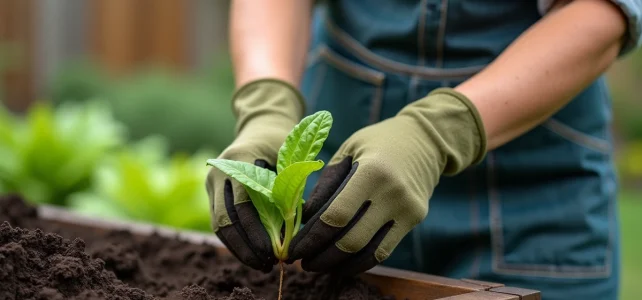
When transplanting lettuce at the end of April and they stagnate for three weeks without forming a single head, the problem rarely lies with the chosen variety. The soil, nighttime temperature, or poorly calibrated watering often hinder the growth of salads more than one might think. A few concrete adjustments can shorten the growing cycle and allow for the harvest of crunchy salads in record time in the vegetable garden.
Soil Temperature and Salads: The Factor Gardeners Overlook
We focus on the weather, rain, and exposure. But the soil temperature determines the speed of germination of lettuce. Below a certain threshold, seeds remain dormant or germinate irregularly, which delays the entire harvest.
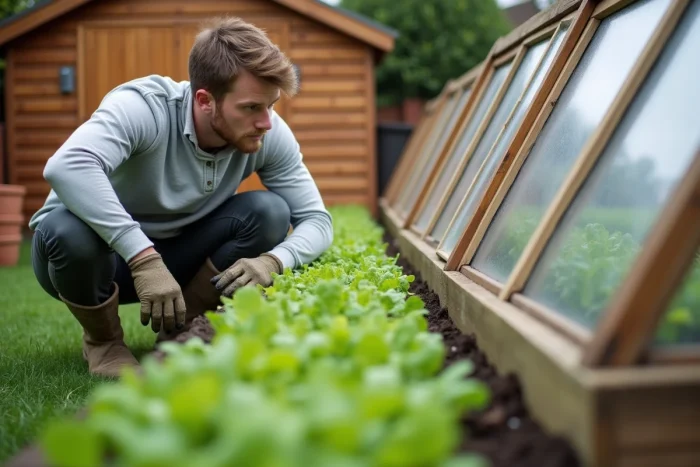
In spring, the soil stays cool for a long time, especially in clay soil. Instead of waiting passively, we can warm the soil with a P17 type forcing cover. These new-generation covers, lighter and more breathable than the old rigid plastics, provide a few degrees of warmth at the soil level without causing overheating. The result: seedlings start faster, and the risk of damping off decreases.
Specifically, we place the cover directly over the sowing, without hoops, leaving some slack so that the seedlings can emerge. It is removed as soon as nighttime temperatures stabilize. This simple technique can easily save one to two weeks on the growing cycle, especially for sowings made in February-March.
For those looking to delve deeper into the method, we can learn how to grow salads on Com 2 Net with useful details on the sowing calendar suitable for each region.
Short-Cycle Lettuce Varieties: Which Ones to Choose for Quick Harvest
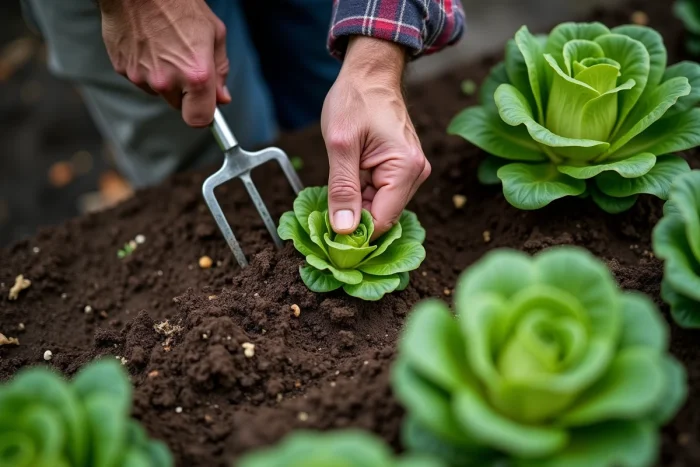
Not all salads grow at the same speed. A classic head lettuce can easily take two months from sowing to harvest. In contrast, some fast-growing varieties reach the harvest stage in just three to four weeks.
Baby leaf lettuces are the fastest in the vegetable garden. Originally selected for short supply chain growers (AMAP, local markets), they are now appearing in consumer catalogs. Breeders like Gautier Semences or Rijk Zwaan offer ranges designed for an express harvest slot.
Beyond baby leaf, cut-and-come-again lettuces and some early batavias offer a good compromise between speed and harvested volume. They can be harvested leaf by leaf as needed, which extends production from the same plant.
- Baby leaf lettuces: first cuts possible as early as three to four weeks after sowing, ideal for homemade mesclun.
- Cut-and-come-again lettuces (oak leaf, lollo rossa): slightly longer cycle, but regrow after each cut if the heart is preserved.
- Early batavias: quick heading, good heat resistance, suitable for staggered sowings from spring to autumn.
The choice of variety also depends on the season. In summer, we favor lettuces resistant to bolting. In autumn and winter, chicories (escarioles, frisée) and lamb’s lettuce take over with cycles adapted to the cold.
Preparing the Soil to Accelerate Salad Growth
A compact or poor soil visibly slows the growth of lettuces. The roots of salads are shallow and not very vigorous: they lack the strength to break through a crust or search for nutrients deep down.
A well-decomposed compost application before each sowing series radically changes the game. It is incorporated into the top ten centimeters, where the roots work. Compost improves both soil structure (better water retention in sandy soil, better drainage in clay soil) and nutrient availability.
Additionally, a fine mulch (dried grass clippings, shredded straw) maintains surface moisture and limits water stress between waterings. Salads dislike fluctuations: a soil that dries out and then becomes waterlogged leads to bitter leaves and premature bolting.
The Classic Mistake: Too Much Nitrogen at Once
We think we are doing well by adding a generous dose of nitrogen fertilizer to boost growth. The leaves do indeed grow faster, but they become soft, waterlogged, and attract more aphids. Mature compost releases nitrogen gradually, resulting in firm leaves and better flavor.
Staggered Sowing and Planting Density in the Vegetable Garden
Sowing all your salads on the same day guarantees a single harvest peak, followed by several weeks with nothing to pick. The technique of staggered sowing, spaced two to three weeks apart, ensures continuous production from spring to autumn.
Prepare a small seed tray or sowing container every two to three weeks. As soon as the seedlings have four true leaves, transplant them into the ground. This regular rhythm also prevents being overwhelmed by thirty ripe lettuces at the same time.
Density, an Underestimated Lever
For baby leaf lettuces and cut-and-come-again salads, you can sow more densely than for a classic head lettuce. The plants slightly compete with each other, which limits their individual size but increases the overall yield per square meter. However, for batavias and head lettuces, sufficient spacing remains necessary to achieve a nice head.
- Baby leaf and cut-and-come-again salads: sowing in tight rows, spacing a few centimeters between seeds.
- Head lettuces and batavias: a spacing of about an open hand between each plant avoids excessive competition.
- In a container or balcony planter: favor compact varieties and leaf-by-leaf harvests to optimize space.
Feedback varies on the optimal density depending on soil type and exposure, but the principle remains the same: adapt the spacing to the intended harvesting method.
Growing salads faster does not require expensive equipment or complex techniques. A well-prepared soil with compost, short-cycle varieties, a forcing cover at the start, and regular sowings are enough to significantly shorten the time between sowing and plate. The only real trap is wanting to sow everything at once and waiting without making any adjustments.