The sports equipment market is undergoing a period of rapid transformation. With the arrival of eco-designed ranges at major retailers, the proliferation of connected accessories, and increasingly segmented technical textiles, choosing sports gear today requires navigating criteria that go beyond simple price-quality ratios. The regulatory framework itself is evolving, with European initiatives around environmental labeling that will soon make carbon impact data comparable from one brand to another.
Compatibility with actual practice: the criterion that product sheets do not provide
Most buying guides recommend defining your goals before choosing equipment. This advice is correct but too vague to be useful. What matters is to cross-reference three concrete parameters: weekly frequency, terrain, and body type.
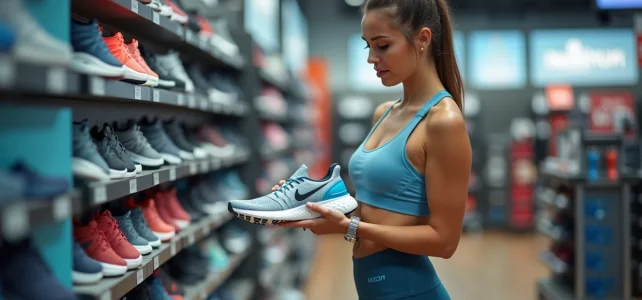
A runner who goes out twice a week on pavement does not need the same sole as a regular trail runner. Shoes are the area where mistakes can be most costly, both literally and in terms of injuries. The type of stride determines the choice of cushioning and drop, and this information is not found on any label in stores without prior testing.
Brands like profilsport.fr allow filtering equipment by discipline and level, which already narrows the search scope. However, nothing replaces a trial in real conditions to validate the comfort and durability of a product over time.
Technical textiles and comfort: decoding sports labels
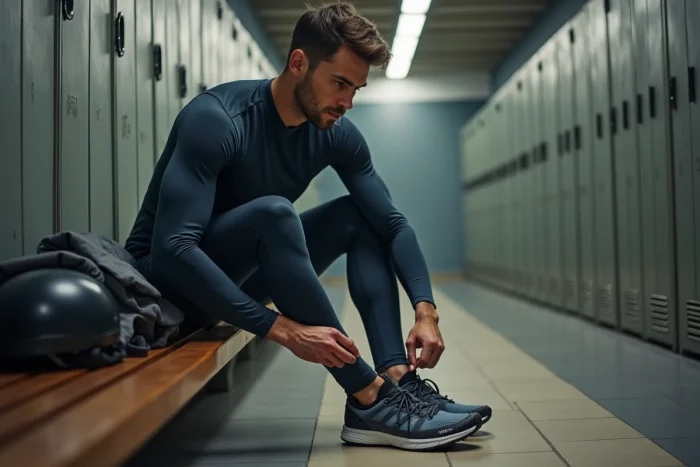
Textiles often represent the first purchase, and also the one where marketing has the most influence. Terms like “breathable,” “anti-odor,” or “compression” appear on the majority of products, from entry-level leggings to high-end jerseys.
What truly distinguishes a functional sports garment is its ability to wick moisture away without sticking to the skin and to maintain a stable body temperature. A fabric that dries quickly reduces the risk of cooling between efforts, an underestimated factor in outdoor sports practiced in cool weather.
Field feedback varies on this point: some practitioners perceive no difference between a moderately priced technical fabric and a premium model, while others report rapid degradation of properties after a few washes on entry-level items. The fabric weight, rarely displayed, provides useful information. A fabric dense enough for winter use will not be suitable for a summer cardio session indoors.
- Check the exact composition (percentage of recycled polyester, elastane, polyamide) rather than relying solely on the “technical” label
- Prefer flat seams for activities with repeated friction (running, cycling, rowing)
- Test the garment when wet if possible: some textiles become irritating when damp
- Consult washing instructions, as drying at too high a temperature destroys elastic fibers in just a few cycles
Connected equipment: what sensors really change
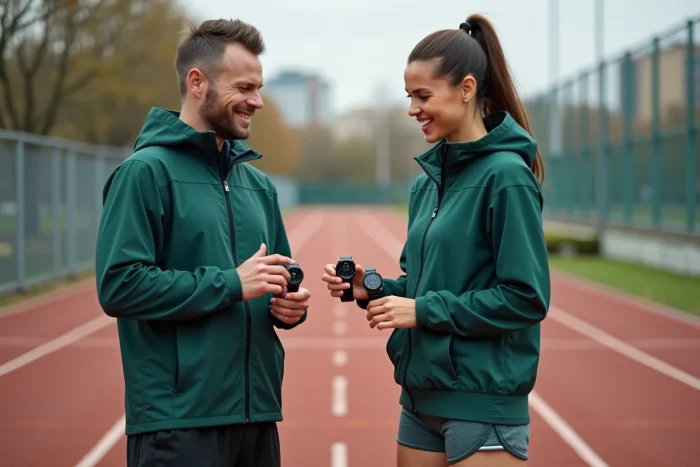
Sales of sports watches and sensors continue to grow in Europe, with adoption now extending to intermediate practitioners. Recent reports from firms like IDC and Deloitte confirm this trend for the 2023-2024 period.
The choice of connected equipment primarily depends on its compatibility with training apps already in use. Buying a high-performance GPS watch that does not sync its data with your club or coach’s app amounts to collecting unusable figures.
Connected insoles, sports bras with built-in sensors, and heart rate belts provide complementary data. The available data do not yet allow for concluding that these accessories directly improve performance, but they offer an objective follow-up of training load. The main risk is the overinterpretation of raw data by users without guidance.
Durability and environmental labeling: a new concrete choice criterion
Since 2023, several major retailers in France have structured ranges of eco-designed equipment: recycled textiles, repairable shoes, refurbished gear. This trend is not just marketing. The environmental labeling being prepared at the European level will make carbon impact and durability data comparable from one brand to another, following the model of the food Nutri-Score.
For consumers, this means that quality sports equipment will also be judged on its actual lifespan and reparability. A refurbished or repairable product can represent a relevant choice for regular practitioners who wear out their gear in just a few seasons.
- Check if the brand offers a take-back or repair program (soles, zippers, seams)
- Compare the cost per use rather than the gross purchase price: a more expensive piece of equipment that lasts three seasons is cheaper than a model replaced every year
- Watch for the arrival of environmental scores on product sheets, which will facilitate objective comparison
The choice of sports equipment relies on a balance between actual practice, validated comfort in use, and product longevity. Comparison tools are multiplying, labels are becoming more readable, but real condition testing remains the most reliable filter before any purchase.