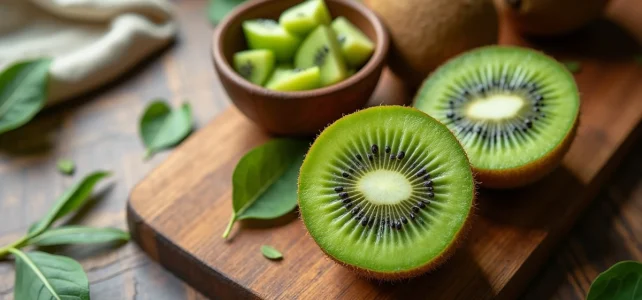
The kiwi has a micronutritional profile that few temperate fruits can match. Its vitamin C density exceeds that of oranges by weight, and its fibrous matrix combines soluble pectin and insoluble fibers in proportions that genuinely modify transit and the absorption of certain minerals. For nutrition professionals, this fruit deserves a more detailed analysis than the usual lists of benefits published.
Actinidin and Protein Digestion: An Underutilized Mechanism
Actinidin is a cysteine protease found almost exclusively in green kiwi (Hayward variety). This enzyme cleaves dietary proteins across a wide pH spectrum, active from the stomach to the duodenum. Specifically, actinidin accelerates gastric proteolysis of milk caseins, gluten, and muscle proteins.
Recommended read : What is the size of a T3: guide for optimal space and layout
We observe that this property is absent from most popular articles about kiwi. The practical consequence is direct: pairing a green kiwi with a meal rich in animal or plant proteins improves gastric emptying and reduces postprandial heaviness.
The yellow kiwi (SunGold type) contains significantly less actinidin. For those specifically seeking digestive support, the green variety remains the relevant choice. The yellow, sweeter and with a higher vitamin C content than the green, is better suited for profiles seeking maximum antioxidant intake without the characteristic acidity of Hayward. Specialized resources like harakiwi.net allow for a deeper understanding of the distinctions between varieties and their culinary uses.
You may also like : The Surprising Benefits of Sports for Your Daily Well-Being

Kiwi and Vegan Diets: Addressing Targeted Deficiencies
The kiwi corrects two major weaknesses of vegan diets: the absorption of non-heme iron and the intake of vitamin C without relying on citrus fruits (often poorly tolerated in large quantities).
Non-Heme Iron and Vitamin C: Measurable Synergy
Plant-based iron (legumes, whole grains, spinach) has low bioavailability, often hindered by phytates and tannins. Vitamin C converts ferric iron (Fe3+) into ferrous iron (Fe2+), a form absorbable by duodenal enterocytes. Consuming just one green kiwi with a meal of lentils or tofu significantly increases the absorption of non-heme iron.
For a well-conducted vegan diet, this kiwi-legume combination serves as a more reliable nutritional lever than isolated vitamin C supplementation in tablet form, because the fruit’s matrix slows the release of ascorbic acid and prolongs its action in the digestive tract.
Vitamin K1 and Bone Health Without Dairy Products
Vegans have an increased risk of bone fragility due to the absence of dairy products. The kiwi provides vitamin K1 (phylloquinone), a cofactor for osteocalcin, a protein that binds calcium to the bone matrix. This contribution remains modest compared to leafy green vegetables but adds to a daily intake that is often insufficient for those who consume little broccoli or kale.
- Non-heme iron: kiwi consumed with a meal improves absorption thanks to its natural vitamin C, which is more effective than an isolated supplement
- Vitamin K1: complementary contribution to bone mineralization, relevant when vegetable intake is irregular
- Folate (vitamin B9): kiwi provides a significant amount, useful for vegans who do not consume enriched nutritional yeast
- Potassium: kiwi rivals banana for this mineral, with a lower glycemic index
Kiwi Fibers and Microbiota: Beyond Simple Transit
Reducing kiwi fibers to a laxative effect would be a mistake. Kiwi pectin acts as a prebiotic: it selectively nourishes certain strains of Bifidobacterium and Lactobacillus in the colon. The prebiotic effect of green kiwi surpasses that of most common fruits due to the pectin-hemicellulose combination that resists upper digestion.
People suffering from irritable bowel syndrome (IBS) with predominant constipation generally tolerate kiwi well, classified among low FODMAP foods. Two green kiwis per day for a few weeks are sufficient to modify the frequency and consistency of stools in the majority of constipated subjects.
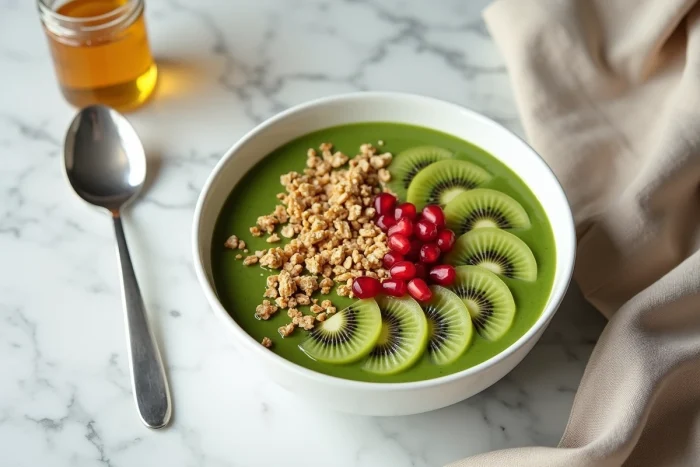
European Production and Variety Choice: A Changing Market
France solidifies its third place in European kiwi production, behind Italy and Greece. Investments in sustainable agriculture are increasing local availability and reducing dependence on New Zealand imports. For the French consumer, this means greater access to kiwis picked riper, thus richer in polyphenols and vitamin C at purchase.
The choice between green and yellow kiwi is not merely a matter of taste. We recommend selecting the variety based on the nutritional goal:
- Green kiwi (Hayward): prioritize for protein digestion (actinidin), marked prebiotic effect, and compatibility with low FODMAP diets
- Yellow kiwi (SunGold): prefer for maximum vitamin C intake, a sweeter flavor suitable for children or those sensitive to acidity
- Red kiwi (emerging varieties): interesting anthocyanin profile, but still poorly documented clinically
A slightly firm kiwi retains its vitamin C content better than a very ripe fruit. Refrigeration slows the degradation of ascorbic acid by several days compared to storage at room temperature.
The kiwi remains a fruit with one of the highest nutritional densities per calorie among the fruits and vegetables aisle. For practitioners supporting restrictive diets, particularly vegan ones, systematically integrating it into meals rich in plant-based iron constitutes a simple, verifiable, and effective dietary prescription.