
You sleep poorly, feel tense after a day at work, and your concentration wanes in the early afternoon. Exercise can address all three issues at once. The benefits of exercise for daily well-being go far beyond physical fitness. Some effects impact sleep, stress management, or even how the brain regulates emotions.
Exercise and Sleep: Why Physical Activity Changes Your Nights
Have you noticed that you sleep better on days when you’ve walked a lot or had a swimming session? It’s no coincidence. Physical exercise alters body temperature: it rises during exertion and then drops in the hours that follow. This gradual decrease makes it easier to fall asleep.
See also : What amount to give for a birthday based on the age of the person being celebrated?
The effect isn’t limited to muscle fatigue. Regular activity increases the duration of deep sleep, the phase where the body repairs itself the most. For seniors, water sports like swimming or aqua aerobics seem particularly effective for sleep quality. The calming effect of water, combined with gentle effort on the joints, promotes a relaxation that land-based activities replicate less effectively.
To make the most of it, there are useful resources on faire-du-sport.com that guide you toward practices suited to each profile. The key takeaway: consistency trumps intensity for improving sleep. Three moderate sessions a week yield more benefits than a single intense effort on the weekend.
Read also : The Surprising Health Benefits of Kiwi for Daily Nutrition
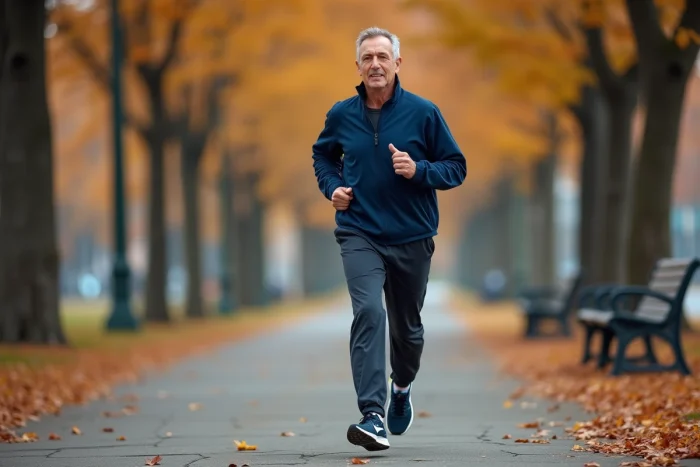
The Effect of Exercise on Stress and Anxiety: The Concrete Mechanism
The word “endorphin” often comes up when discussing exercise and well-being. It’s a convenient shorthand, but the reality is richer. During sustained exertion, the brain also releases serotonin and norepinephrine, two neurotransmitters that regulate mood and attention.
In concrete terms, this translates to a decrease in nervous tension in the hours following exercise. The effect is measurable: resting heart rate decreases in regular practitioners, meaning that the body reacts less harshly to stressful situations.
The Role of Group Activity in Reducing Anxiety
Engaging in a sport collectively adds a dimension that solo training does not cover. Group sports programs have shown a marked decrease in anxiety symptoms, according to a qualitative study from the University of Paris-Saclay. The explanation lies in social connection: sharing an effort creates a sense of belonging that acts as a buffer against isolation.
This observation has led to a recent regulatory evolution. Since decree n°2025-347 of March 12, 2025, general practitioners can prescribe physical activities in care pathways for the prevention of mild depression. Exercise officially enters the therapeutic arsenal, not just as a supplement but as a component of treatment.
Micro-Exercise in Daily Life: Short Sessions for Real Effects
The idea that you need to run for an hour or spend forty minutes in the gym for exercise to “count” holds back many people. The trend of micro-exercise, which has been on the rise in recent years, offers another model: sessions of five to ten minutes, integrated into the workday or commutes.
Why does it work? Because the body responds to frequency more than duration. Climbing stairs, doing a few squats between meetings, or briskly walking for ten minutes already activates the cardiovascular system and stimulates the production of neurotransmitters.
How to Integrate Micro-Exercise Without Disrupting Your Schedule
- Replace the elevator with stairs at the office, which engages the quadriceps and increases heart rate without requiring equipment
- Schedule a brisk ten-minute walk after lunch, a time when blood sugar is high and movement helps the body better regulate sugar
- Use a mobile app dedicated to micro-exercise to track the regularity of sessions, a more determining factor than intensity
This format particularly appeals to urban professionals aged twenty-five to forty, who struggle to carve out long time slots. Specialized mobile apps have accelerated this adoption by offering guided and personalized routines.

Physical Activity and Cognitive Health: The Effect on Concentration and Memory
Exercise doesn’t just strengthen the body. Regular activity increases blood flow to the brain, nourishing areas involved in memory and decision-making. The hippocampus, the brain structure central to memorization, is one of the regions that benefits most from this increased supply.
This benefit affects all ages. In working adults, a brisk walk of a few minutes improves concentration in the hour that follows. In older individuals, regular practice slows age-related cognitive decline. Exercise acts like fertilizer for neural connections.
Which Exercises to Favor for Brain Health
- Moderate endurance activities (brisk walking, cycling, swimming) sustainably increase brain vascularization
- Sports that require coordination (table tennis, dance, climbing) simultaneously engage motor skills and cognitive functions
- Muscle-strengthening exercises, often overlooked, also contribute to insulin regulation, a factor that directly influences neuronal health
Physical activity impacts well-being through multiple pathways that mutually reinforce each other: better sleep reduces stress, less stress improves concentration, and better concentration facilitates engagement in regular practice. Exercise initiates a virtuous circle that each session feeds, even the shortest ones.