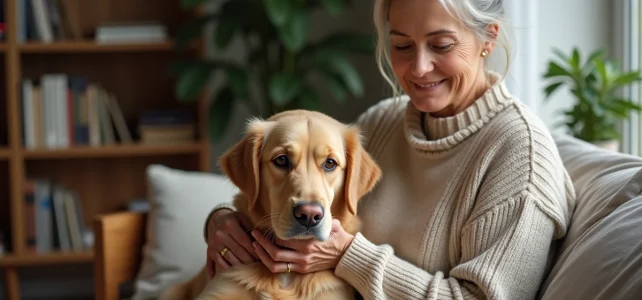
A pet can develop behavioral issues in response to misinterpreted human signals. The communication methods used daily directly influence the relationship with the animal, even impacting its physical and mental health. The attention given to the specific needs of each species often remains insufficient, despite the diversity of available resources. However, validated approaches can improve animal welfare and optimize cohabitation, provided one is properly informed and supported.
Why understanding your animal changes daily life
At home, nothing is trivial: the dog’s intense gaze, the silence of a cat perched high, the vigilance of a horse with its ears perked up. Each of these behaviors is a signal, a word in a dialogue that unfolds without words. Being attentive to this language opens the door to a transformed relationship. One can sense the tensions easing, the daily life becoming lighter, the atmosphere calming at home.
See also : Tips and Advice to Enhance Your Beauty Daily with Unique Products
The key is listening to animal emotions. Behind the animal that isolates itself for long periods, behind the repetition of a bark or a flight, a story unfolds. Apartment, farm, or pasture companions are much more than mere presences. They feel, interact, and influence the balance of the household. The better we recognize their feelings, the more trust grows, and a serene climate settles in, where everyone can exist without fear.
If you are looking for a personalized approach, the animal world of Syntonie Animale illustrates this desire to give a voice to each individual. Dog, cat, horse, or other: no one is forgotten. Each interaction adapts to the temperament and real needs, by precisely analyzing the situations that humans and animals face daily.
You may also like : How to Choose the Best IT Support for Your Business in 2024
To find your way, a few structuring elements make all the difference:
- Deciphering signals, postures, and attitudes to act appropriately
- Arranging space according to the species and character specifics
- Nurturing companionship through measured and caring exchanges
Observing and listening attentively encourages one to reassess their habits. Gradually, cohabitation rebalances, and everyone finds their place, without power struggles or persistent misunderstandings.
Animal communication and therapies: how does it really work?
The term “animal communication” intrigues and sometimes sparks debate. Far from clichés, it relies primarily on meticulous observation, careful reading of a whole range of attitudes, subtle movements, and minute behaviors that reflect the moods and relationships at play. Learning to decode these signs means focusing on the concrete aspects of daily life: the ear that flattens, the gaze that avoids, the hesitant step in a new context.
In practice, accompanying an animal requires adjustment, both in words and gestures. A cat that retreats, a dog frozen at the veterinarian’s door: these refusals, these affections, are clear messages. With cooperative care and medical training techniques, the animal no longer suffers. It learns to be part of each care process, becoming an active participant in what concerns it. The result: fear diminishes, stress recedes, and handling or treatments become accepted moments rather than endured ones.
Three foundations effectively structure this approach:
- Adapting communication: considering the unique temperament of the animal to adjust one’s attitude
- Encouraging cooperative care: allowing the animal to participate, without fear, in its own care
- Enriching trust: each thoughtfully designed routine nurtures the relationship and strengthens shared confidence
Respecting animal emotions radically transforms the relational dynamic. Welcoming, comforting, encouraging: understanding what the animal expresses offers it a framework to communicate its expectations and needs, and from there, a subtle and respectful support takes on its full meaning.
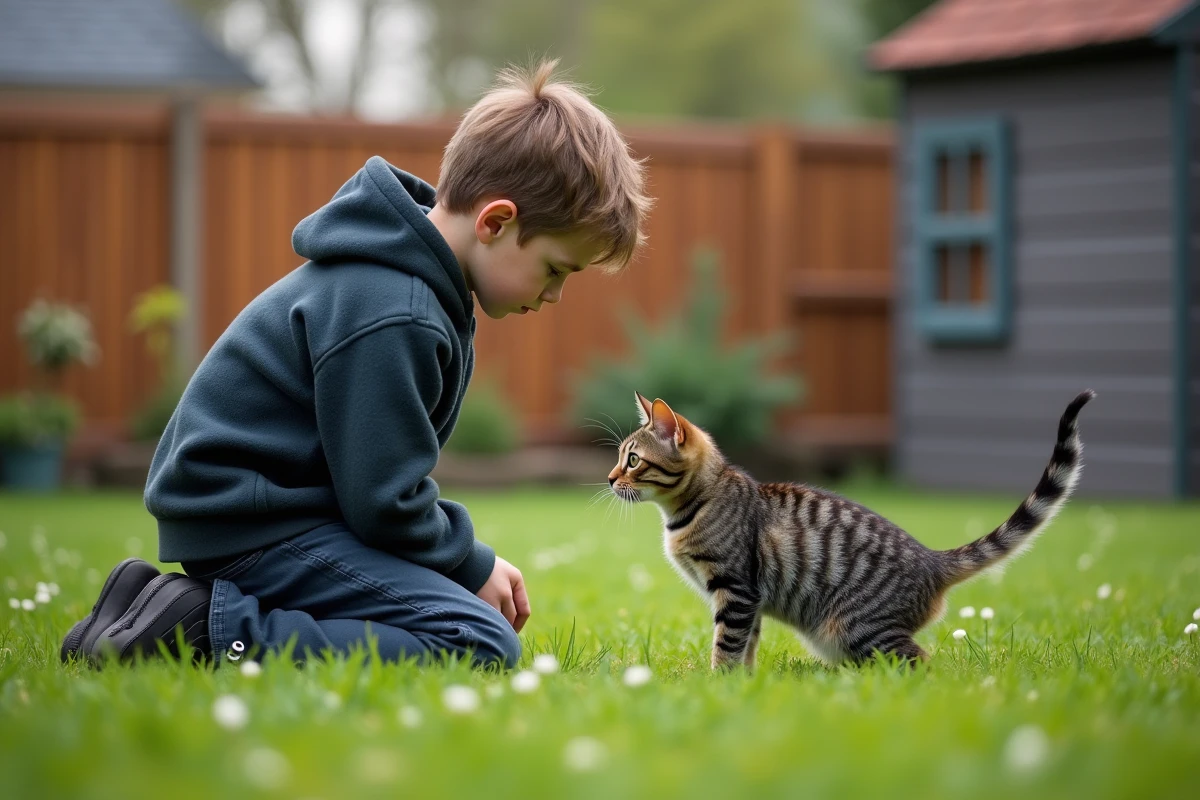
Resources and support: towards a fulfilling relationship with your companion
As awareness of animal welfare grows, many are seeking trustworthy resources to advance in the art of accompanying dogs, cats, or horses. Training in behavioral reading has become a real challenge for those who want to give their animals the opportunity to thrive. Far from one-size-fits-all methods, animal communication requires observing, listening, and individualizing.
Training programs are progressing in France, in Paris as well as in other regions, combining demanding theory and practical situations. Participants learn to refine their observation skills, grasp the emotions at play, and build a bond that is both strong and nuanced. Deepening this path means giving the relationship the backbone it needs to endure, in mutual trust.
These programs allow exploration of various practical aspects:
- Deciphering body language and understanding the specific rituals of each animal
- Precisely identifying expectations and easing tensions through action
- Integrating cooperative care methods into daily life to reduce stress and promote the animal’s autonomy
Animal lovers, educators, veterinarians, or simply the curious can draw from these tools to grow with their companions. For deep listening changes the face of daily life: behaviors adjust, each animal’s place is revealed, and the home becomes a shared space of relaxation, a dynamic common ground, always alive.