In 2023, 68% of urban Europeans report having changed at least one daily habit to limit their environmental impact, according to the European Environment Agency. Yet, the annual consumption of natural resources continues to rise across the continent.
Some methods advocated by urban ecology experts do not always reach a consensus within the scientific community. The diversity of recommendations and the rapid evolution of regulations contribute to blurring the perception of truly effective actions. Each individual choice is now part of a complex network of initiatives, innovations, and contradictions.
Why reconnecting with nature transforms our daily lives
Reconnecting with nature is not about following a passing trend. It is a process that deeply invites itself into our lives. When we regain direct contact with water, air, vegetation, and stone, we touch upon a balance that influences all our dimensions. Researchers have proven it: proximity to living things reduces tension, affects our mood, and supports both body and mind.
Howard Clinebell, who paved the way for ecotherapy, already saw nature as an ally of mental well-being. Today, this idea is widely validated by studies: overall health and immersion in the living world go hand in hand. The Japanese have understood this with Shinrin-Yoku, these forest baths now recognized for their positive effects on morale and vitality.
To move forward on this path, resources abound. The L’Esprit Nature website gathers advice and articles on biodiversity, plants, soil maintenance, and responsible water management. Concrete practices that place nature at the heart of our routines and strengthen our presence to ourselves and the world.
Here are a few ideas to weave this connection day by day:
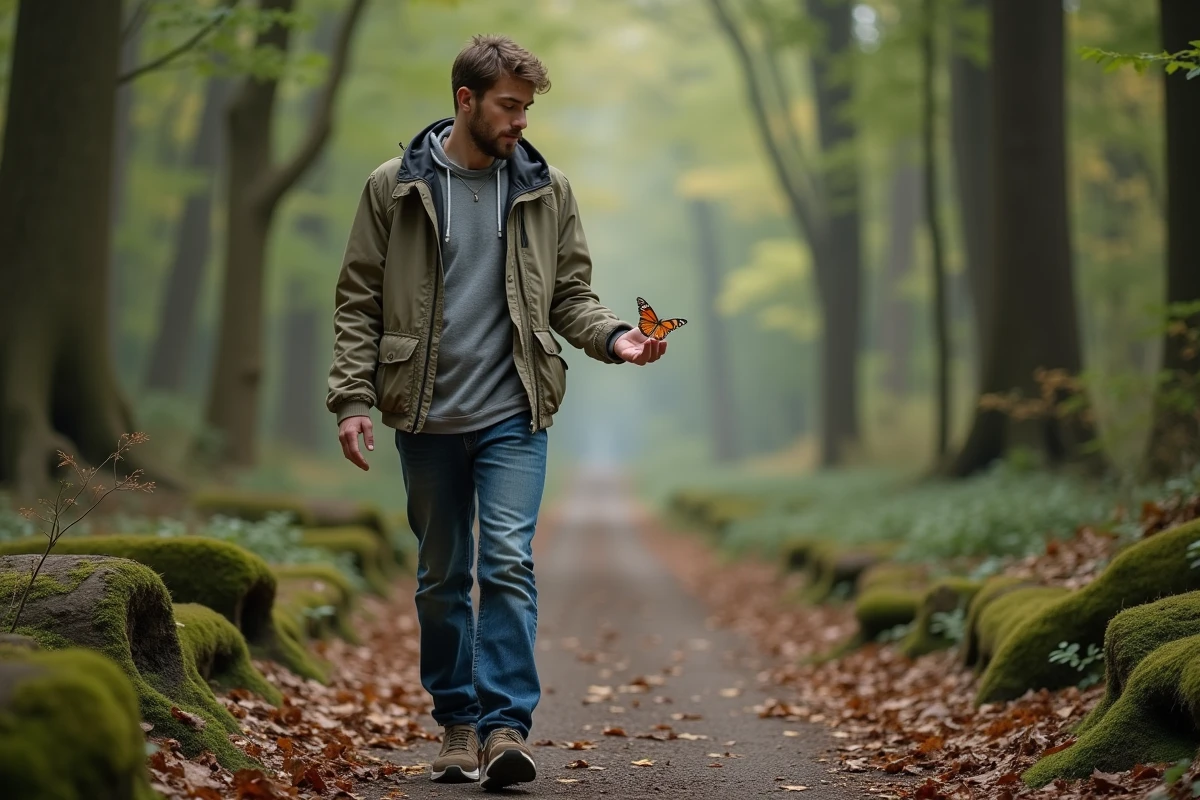
- Take a walk in the forest or a park to enjoy the natural energy, the famous prana.
- Install plants at home to purify the air and give a boost to creativity.
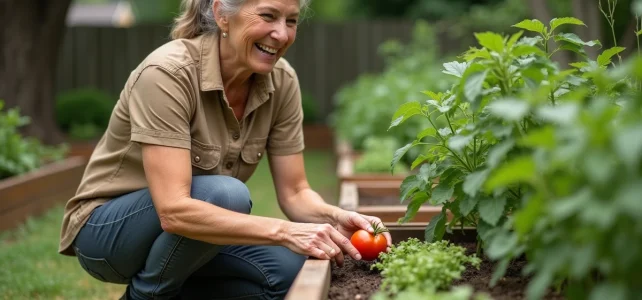
- Garden or simply contemplate a landscape to regain grounding and inner peace.
Reconsidering the place of nature is not about reducing it to a mere backdrop. It is about accepting it as a partner, capable of rebalancing our lives and opening new perspectives on health.
What are the challenges and opportunities for adopting a more environmentally friendly lifestyle?
Changing our habits towards a lifestyle more in tune with nature is imperative, driven by climate disruption and pressure on resources. The challenges are numerous: adapting cities, transforming agriculture, and reweaving the links between humans and ecosystems. In the countryside, the profession of shepherd remains a symbol of a millennia-old alliance with the environment. Transhumance, this seasonal journey of herds, reflects a patient management of pastures and a fine understanding of natural cycles.
On the ground, forest rangers act as sentinels. Their role? To observe the health of forests, anticipate risks, and engage in dialogue with residents. In France or elsewhere, villages like Magura in Transylvania or Sami communities in Scandinavia show that it is possible to live in harmony with one’s environment. Their daily life? Sobriety, mutual aid, and respect for the living.
Agroecology and permaculture offer responses inspired directly by nature: diversity, autonomy, and responsible resource management. Living close to the living does not exclude innovation; on the contrary. It is about adapting solutions to each territory, strengthening resilience, and rethinking our priorities. In cities too, shared gardens are blooming, consumption is decreasing, and collective projects are multiplying. This movement is built thanks to a multitude of actors: residents, professionals, associations, all carrying new ideas and local solutions.
Simple and inspiring actions to integrate nature into everyday life
Returning to nature is not a chimera or a grand upheaval. Often, it is simple actions within everyone’s reach that change our perspective on daily life. Opening the window at dawn to listen to the birds, walking barefoot on the grass, touching the earth, observing the flight of a dragonfly by a river: these are discreet rituals that ground us and remind us of the strength of the living.
A picnic at sunset invites itself as a shared interlude, far from urban hustle. We gather our loved ones, find a corner of the forest or a summit, and savor the calm as the light fades. Why not try foraging for wild plants, always with caution and respect, to enhance a dish or flavor a herbal tea?
When the desire for a change of scenery arises, nature trips take over. Brice Portolano, in his book No Signal, highlights those who choose to slow down and return to a raw environment. Guadeloupe, for example, offers unique biodiversity, conducive to awakening and creativity, and even to intuitive art therapy (ESLEAS). Spending a few hours outdoors reconnects us deeply with the planet, but also with our own curiosity and wonder.
Here are some examples of actions to adopt daily:
- Take a moment to contemplate a tree or feel the rain on your skin
- Create a green space at home, even modest: a planter of herbs or a few local plants
- Adapt your activities to the rhythm of the seasons: swimming in summer, stargazing, forest walks in autumn
Nature does not wait for us to open our arms wide to remind us of its presence. Sometimes, it just takes a step outside for everything to change.